Ghumantu Pathshala
Viksit Bharat
The NSSS Foundation is a non-governmental organization (NGO) that is dedicated to supporting underprivileged communities through education and healthcare initiatives. Ghumantu Pathshala, translated as "Nomadic School" in Hindi, is a unique educational initiative that delivers education directly to nomadic or mobile communities.
These flexible schools address the educational requirements of nomadic groups by providing customized basic education and, at times, vocational training. Through fostering inclusivity and empowerment, Ghumantu Pathshalas are instrumental in breaking the cycle of poverty and social exclusion within nomadic populations. We believe that everyone deserves access to basic education. That's why we work tirelessly to provide communities with the resources they need to thrive. Join us in making a difference today."
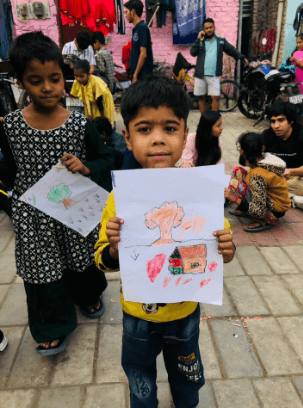
It’s an initiative in India that provides education to children who would otherwise not have access to it. Viksit Bharat @2047 is a vision to transform India into a developed nation by 2047, the country's 100th year of independence. The vision covers a wide range of development issues, including economic growth, social progress, environmental sustainability, and good governance. "GHUMANTHU PATHSHALA" can contribute significantly to education
Social Benifits
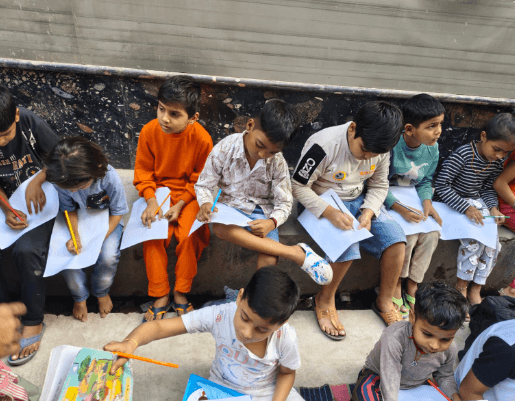
Ghumantu Pathsala is socially beneficial as it addresses educational disparities, promotes inclusivity, empowers marginalized communities, fosters social integration, and contributes to the preservation of cultural heritage. It is a valuable initiative that recognizes the right to education for all, regardless of geographical or social constraints.
Observations
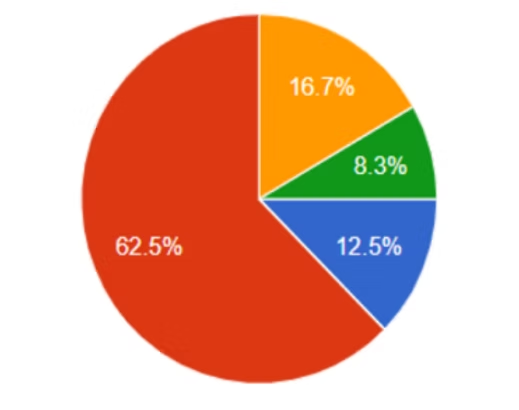
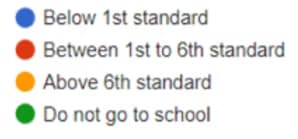
School-going students exhibit higher levels of happiness, confidence, and social engagement. They enjoy learning, making friends, and participating in activities, displaying greater organization and sincerity compared to non-school-going peers. Their daily excitement about attending school reflects a positive attitude towards education and social interactions, contributing to their overall well-being and development
Students not attending school often face challenges with social and communication skills, leading to lower confidence levels. They also lack essential learning opportunities, especially in technology. Parents' unawareness of education's importance compounds these issues. Despite not engaging in child labor, these students desire a regular schooling experience to study and grow like their peers.